

1. Health Concerns and Blue Light Hazard
2. Environmental Impact of LED Manufacturing and Disposal
3. High Initial Cost
4. Light Pollution
5. Color Rendering and Quality of Light
6. Performance in Extreme Temperatures
FAQs
Light Emitting Diodes (LEDs) have transformed the lighting industry in ways that have been very beneficial to society. Some of the benefits associated with Light Emitting Diodes include efficiency, longevity, and minimal effects on the environment. Despite the fact that Light Emitting Diodes have been very successful in the lighting industry and have brought about a number of benefits, they have some drawbacks. As the use of Light Emitting Diodes spreads to other industries, it becomes essential to understand some of the disadvantages associated with Light Emitting Diode technology. In this article, some of the disadvantages associated with Light Emitting Diode technology will be discussed.
1. Health Concerns and Blue Light Hazard
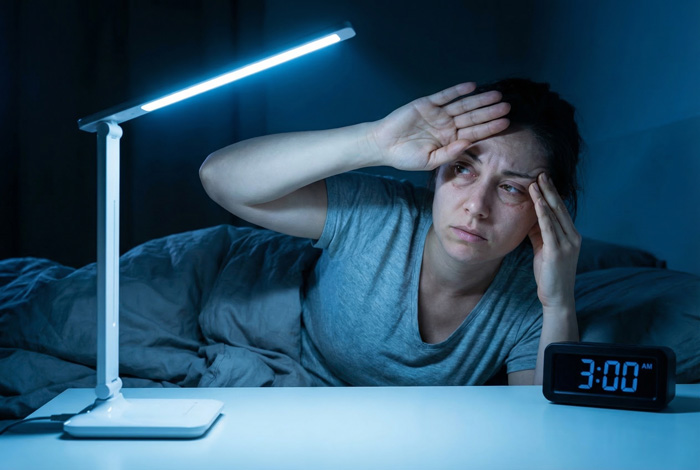
Among the most prominent issues associated with LED lights is the emission of blue light. LEDs, especially those utilized for consumer electronics like smartphones, tablets, and TVs, have a high intensity of blue light emission. Such light has a harmful impact on human health, especially regarding eye strain and the disruption of the sleep cycle.
Blue light has also been proven to disrupt the human circadian rhythm, which controls the sleep cycle. Blue light, especially when exposed to the human eye prior to sleeping, has the capacity to reduce the melatonin hormone, which induces sleep. Such exposure leads to sleep disorders like insomnia, especially among people who use electronic devices prior to sleeping. Blue light hazard also causes digital eye strain, which leads to discomfort, dryness, and blurred vision, collectively known as "computer vision syndrome."
There is also growing concern that long-term exposure to high levels of blue light may contribute to retinal damage and an increased risk of age-related macular degeneration (AMD). While the full extent of these risks is still under research, the potential health implications are significant enough to warrant caution in the use of LED lighting in environments where prolonged exposure is common.
2. Environmental Impact of LED Manufacturing and Disposal

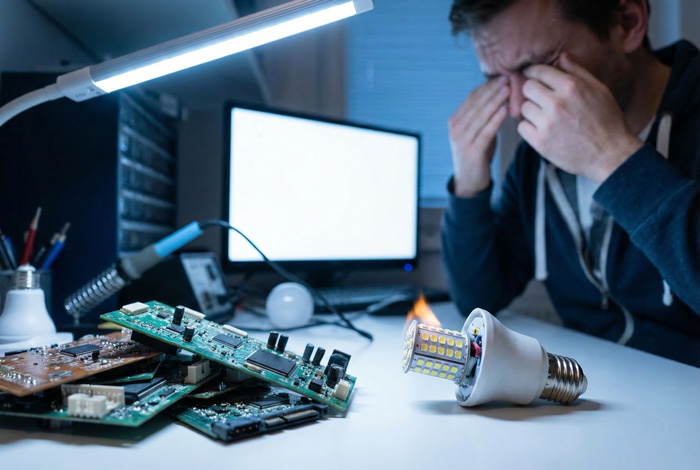
Although LEDs are more energy-efficient and have a much longer lifespan compared to other available options, the impact of LEDs on the environment cannot be considered low. In the manufacture of LED lights, certain rare earth metals and other harmful materials, such as indium and gallium, are required, which are necessary for the manufacture of semiconductor materials. These materials have a high impact on the environment, including the destruction of rainforests, soil pollution, and water pollution, which is a direct result of the high demand for these materials.
Furthermore, even though LEDs have a higher lifespan compared to incandescent and fluorescent bulbs, they also have a lifespan that requires them to be replaced once they burn out. In addition, improper disposal of LEDs has the potential of causing harm to the environment through electronic waste, which has proven to be a major problem for the recycling of such materials. LEDs have also proven to contain harmful materials such as lead and arsenic, which have the potential of being released into the soil and water if not disposed of properly, making them a problem for the environment, especially in areas where the facilities for recycling are lacking or not available.
While the savings on energy costs over the long term can be substantial, the cost of acquiring LED lighting solutions can prove to be very high. While the cost of LED bulbs has come down over the years, it remains substantially higher than incandescent and CFL bulbs. This can prove to be a significant drawback for many people who are interested in acquiring LED lighting solutions. This is particularly true in developing regions of the world.
The cost of acquiring LED bulbs can also be gauged from the complexity of their design. LEDs do not have the same simple design as incandescent bulbs. LEDs require additional components to operate efficiently. This makes the design process complex and expensive. This can prove to be a drawback for many people and businesses who operate on a tight budget. While LEDs offer many advantages in terms of energy savings over the long term, their cost can prove to be a drawback.

As LED lighting becomes more common in urban areas, it has contributed to the growing issue of light pollution. LEDs are often brighter and more intense than traditional lighting options, and they are widely used in street lights, outdoor signage, and architectural lighting. The high intensity and directionality of LED lights, combined with their widespread use, can lead to significant increases in the amount of light pollution in cities.
Light pollution is not just an aesthetic issue; it has profound effects on ecosystems and human health. Excessive artificial lighting disrupts natural cycles, such as animal behavior and plant growth. Many species, including migratory birds and nocturnal animals, rely on natural light cues for navigation, hunting, and mating. The overabundance of artificial light caused by LEDs can lead to disorientation, disrupted breeding cycles, and a decline in biodiversity.
For humans, light pollution interferes with our ability to see stars and experience the night sky, which can have psychological and emotional impacts. The constant exposure to bright artificial light, particularly in cities, can also contribute to sleep disturbances and a heightened sense of stress.
5. Color Rendering and Quality of Light
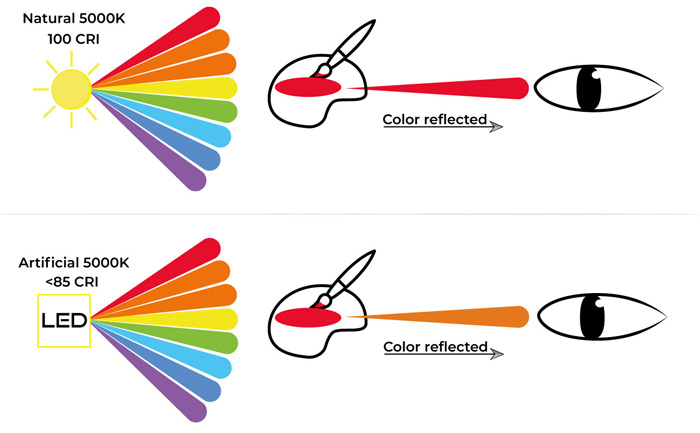
While LED technology has made significant advancements in terms of color rendering, it still struggles to match the warm, natural light produced by incandescent bulbs. LEDs are often criticized for their cold, sterile light, which can feel harsh and uninviting, particularly in homes and hospitality settings. Many consumers still prefer the warmth and softness of incandescent lighting, and while LED manufacturers have created bulbs with "warm white" options, the color temperature of LEDs can still vary significantly.
In addition to color temperature, LEDs can sometimes struggle with color rendering accuracy, particularly when compared to incandescent or halogen bulbs. The color rendering index (CRI) is a measure of how accurately a light source renders colors. LEDs, particularly cheaper ones, often have a lower CRI, which can result in colors appearing washed out or distorted. This is particularly problematic in environments where color accuracy is essential, such as in photography, art galleries, and retail settings.
6. Performance in Extreme Temperatures

LEDs are known for their ability to function well in a wide range of conditions, but extreme temperatures—particularly very high or very low temperatures—can affect their performance. In cold environments, LED lights often perform better than incandescent and fluorescent lights, as they are less affected by low temperatures. However, in extremely hot conditions, LEDs can overheat, which can significantly reduce their lifespan and efficiency.
Overheating in LEDs occurs because these lights generate heat during operation, and if they do not have proper heat dissipation mechanisms, they can become damaged. This is particularly relevant in industrial applications, where LEDs are often exposed to high-temperature environments. In such cases, additional cooling measures, such as heat sinks, are necessary to prevent performance degradation.
Why do some LED lights flicker even when they appear stable to the naked eye?
LED flicker is often caused by incompatible drivers, low-quality dimmers, or fluctuations in the power supply.
Even when flicker is not visible, high-frequency modulation may still affect visual comfort, concentration, and task performance in sensitive environments.
How does thermal management affect the real lifespan of LED products?
Although LEDs are known for long operating life, poor heat dissipation can accelerate lumen depreciation, color shift, and driver failure.
In many cases, the electronic driver fails before the LED chip itself, reducing the practical service life of the fixture.
Why can LED lights cause electromagnetic interference in some applications?
Certain LED drivers and power-conversion circuits generate electromagnetic noise.
This interference can affect radios, communication systems, medical devices, or sensitive industrial equipment, especially when products are poorly shielded or of low quality.
What is lumen depreciation, and why is it important in LED evaluation?
Lumen depreciation is the gradual reduction of light output over time rather than sudden failure.
This means an LED may still operate electrically while no longer delivering adequate illumination.
It is an important factor in maintenance planning, particularly in commercial and industrial applications.
Are all LED products equally suitable for dimming systems?
No. Many LED lamps are not fully compatible with older dimming systems originally designed for incandescent lighting.
A mismatch between the lamp, driver, and dimmer can cause buzzing, limited dimming range, instability, or premature component wear.
