
How to Design Landscape Lighting?
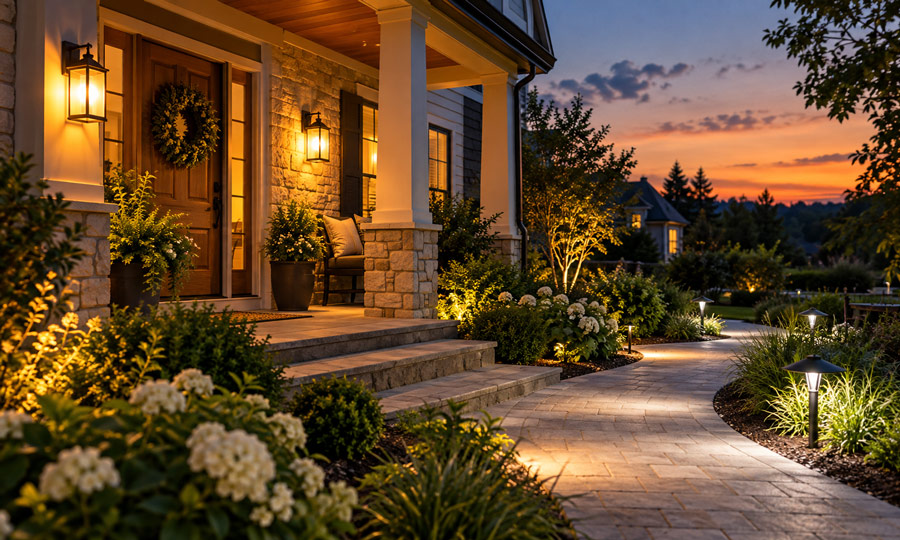
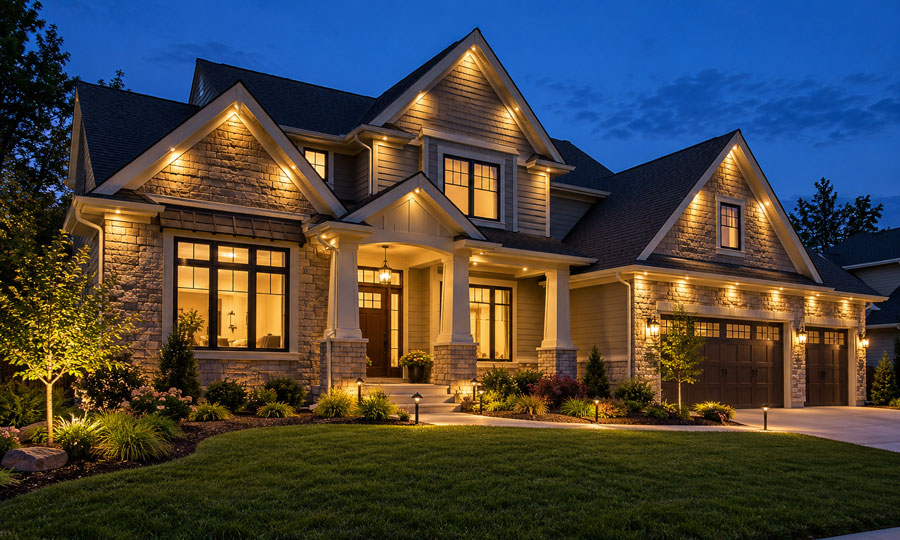
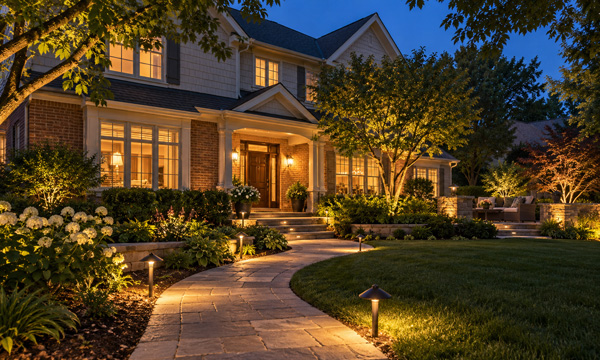
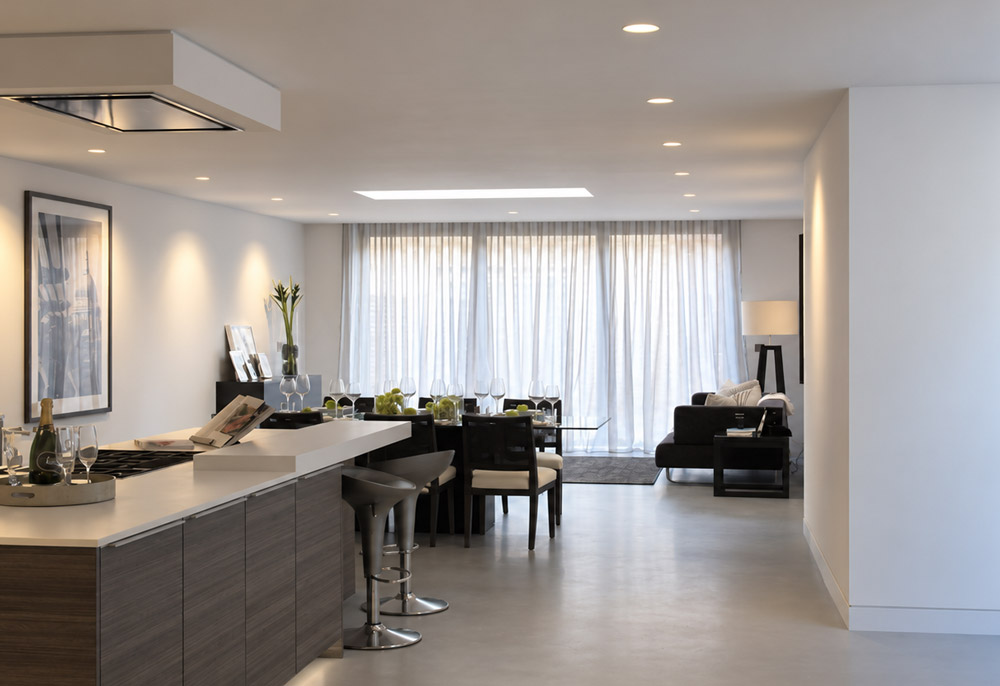
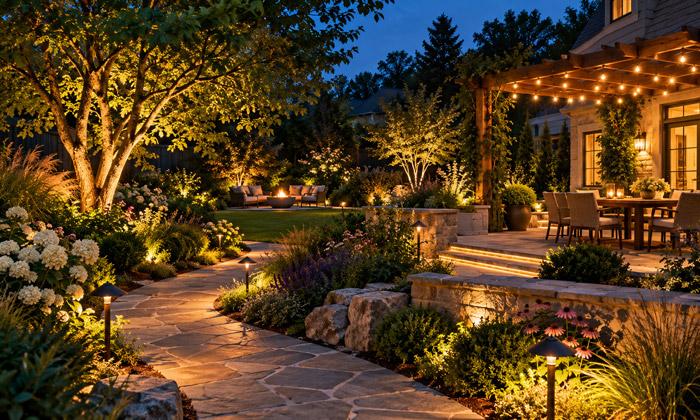
Landscape lighting design combines visual hierarchy, layered techniques, glare control, and smart zoning to enhance safety, usability, and beauty while creating calm, naturally appealing outdoor spaces at night.
Solar lamps and solar garden lights can fail at night for many practical reasons, including poor charging conditions, battery degradation, sensor interference, and environmental factors. This article breaks down how these problems occur and offers clear, effective solutions to restore reliable outdoor lighting and improve long-term performance.
Solar garden lights can still collect energy on cloudy days through diffuse sunlight, though charging efficiency and runtime are reduced. The overview covers how cloud cover affects performance, key factors that influence energy storage, and practical ways to improve reliability in low-sun conditions.
Solar lights can fog up due to condensation caused by temperature changes, humidity, and small gaps in the housing. This article explains the science behind fogging, common causes, and how to distinguish normal moisture buildup from signs of damage or poor sealing.
Low voltage pathway lights and high voltage outdoor lighting serve different outdoor needs, from safety and ease of installation to brightness and long-term reliability. This overview highlights their strengths, limitations, and ideal use cases to help homeowners and designers select the most suitable outdoor lighting solution.
Solar lanterns work by capturing sunlight with a solar panel, storing the energy in a rechargeable battery, and using efficient LEDs to provide clean, reliable lighting when the sun goes down.
Grow lights and regular lights serve very different purposes. This overview highlights how they differ in spectrum, efficiency, measurement standards, and their effects on plant growth and cultivation outcomes.
Solar lights can operate without constant direct sunlight, but their performance depends on how much light the solar panel receives during the day. Direct sunlight provides the highest charging efficiency, while indirect light, shade, weather, and seasonal changes can reduce brightness and runtime.
Learn how to clean garden lights safely and effectively, including material-specific cleaning methods, solar panel care, stain removal, and maintenance tips to restore brightness, improve performance, and extend the lifespan of outdoor lighting fixtures.